An interesting article by Vittorio Zambardino his column published in the Republic of the digital scene, made me reflect on what might actually be the new technological landscape in the coming years.
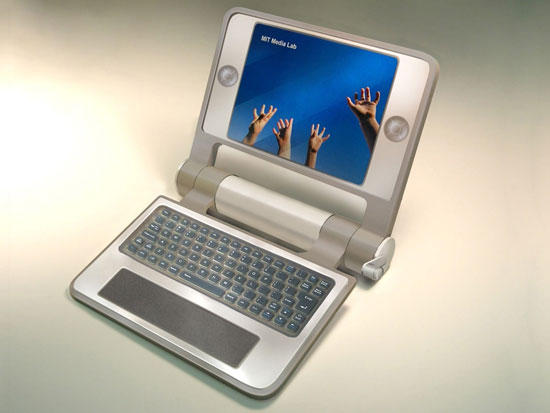
We probably all under $ 100 personal computer or laptop such as the brilliant
model designed at MIT.

In any case, most of our PCs will be no frills and will essentially be thin clients. Applications, storage and services will all be online. Proliferate ASP (Application Service Providers) for sophisticated applications and services for free applications that the vast majority of users use.
services like Gmail, Flickr, LinkedIn, Writely, Wikipedia are realizing the true global village. But the big revolution is that everything is accessible with few resources, little hardware, little complexity on the client, and only so much connectivity.
We will no longer plagued with long, boring list of technical specifications of the models of computers (motherboards, bus, controller, graphics cards, GHz, GB, etc.), but the computers become personal accessories as now is the mobile, except high-tech manufacturing environments. Battles di mercato saranno forse più sulle reti, anche se il Wireless promette una grandiosa democratizzazione dell'offerta di connettività. Anche perché i colossi come Google, che ormai si prevede schiaccerà Microsoft, stanno già dimostrando che è loro interesse vederci tutti connessi, come è stato ed è interesse dei gestori dei grandi media che tutti abbiamo almeno un televisore in casa.
Quali sono quindi le tecnologie, i servizi e i vendors su cui puntare? Microsoft farà davvero una brutta fine come molti prevedono? Google diventerà il nuovo monopolista? Quanto conterà il sistema operativo? Quale impatto avrà sulla sicurezza questo cambiamentodi scenario?

